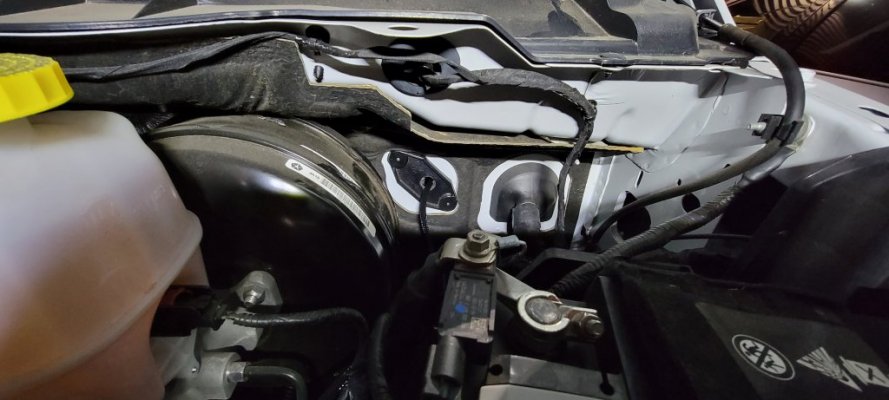
When I rewire an entire car, or just add components, I will start by locating the wires. I will route them to power supply point, components and switches, but I will leave the wire loose in the tie downs/zip ties etc. I try to route them in an inconspicuous way, or have them follow existing wire harnesses. This way they “flow” with the body of the vehicle or the harness already there. Makes it look professional and pleasing to the eye.
After routing, I will cut the wires, but leave them long on both ends, like a half foot or so. Then, once I am satisfied all the wires are routed properly, and are at the correct components, I will start to tighten the clamps/zip ties, etc. in the middle of the wire run, pushing the slack to the loose ends.
If the wires are pre terminated to a component, say a switch, I will start tying down the harness at that point, working the slack to the loose end of the wire.
While tying down, I’ll ensure the wires don’t “cut across” corners, and that they stay tight against any harness, frame rails, etc. that they are against. This way, it not only looks good, the wire being tight prevents it from rubbing, causing future damage.
If you terminate the wires before you route them and tie them down, it is very hard to get them to look good, as they will have too much slack or be too short to make corners.
Once I have the harness tied down, one more check to ensure the correct wires are in the correct spot, I start terminating the wires. Solder and heat shrink is best. Any splicing and I use environmental splices, impervious to just about anything.
I suppose the key is to plan the routing as if it will be seen and consider it part of the finished install.