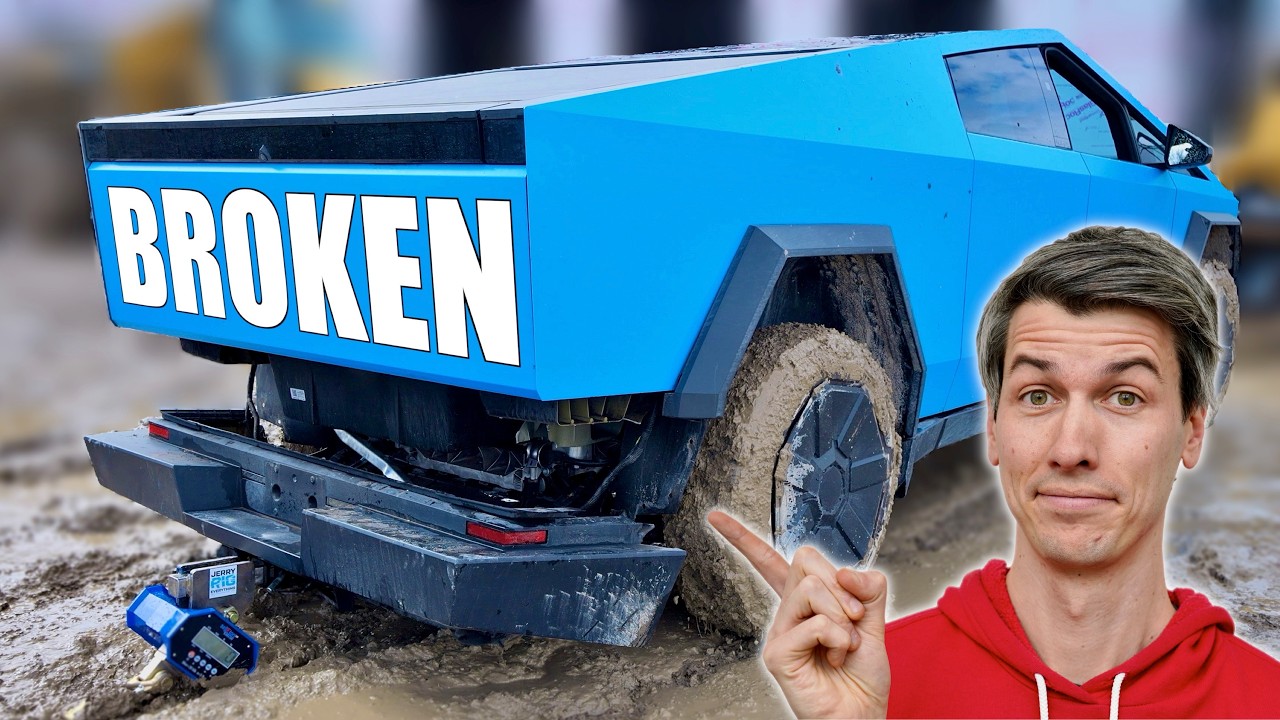
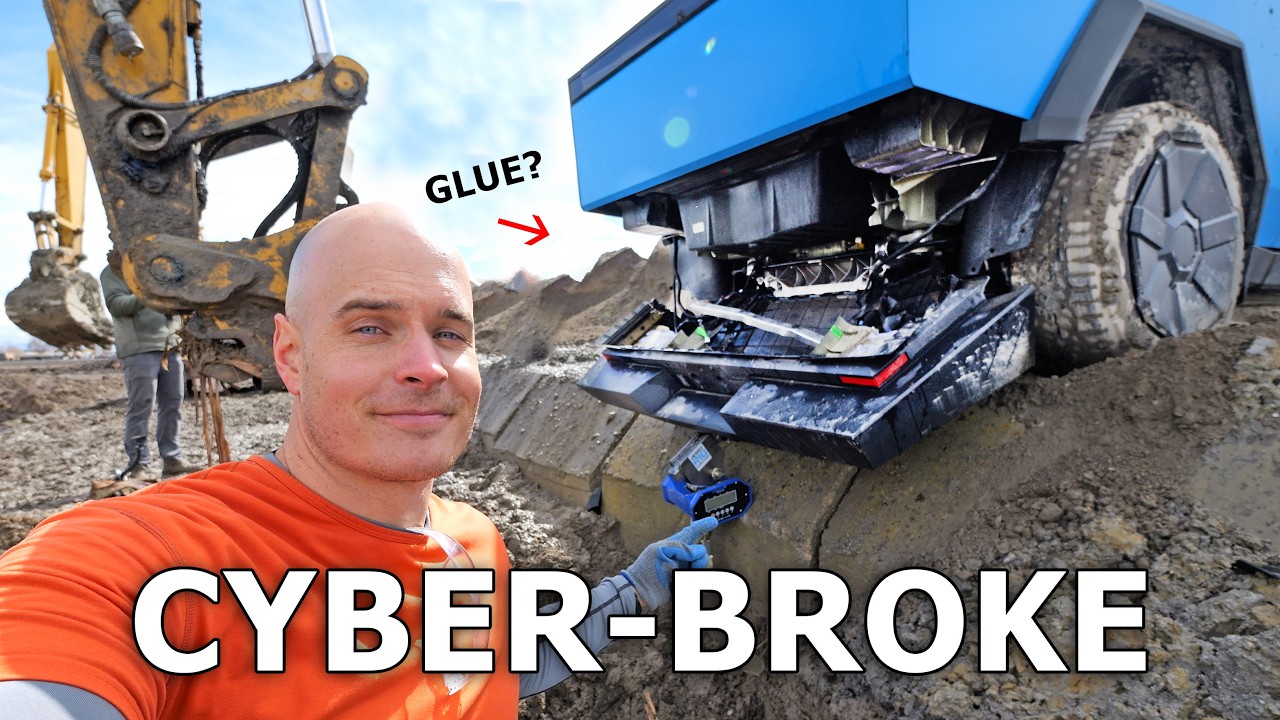
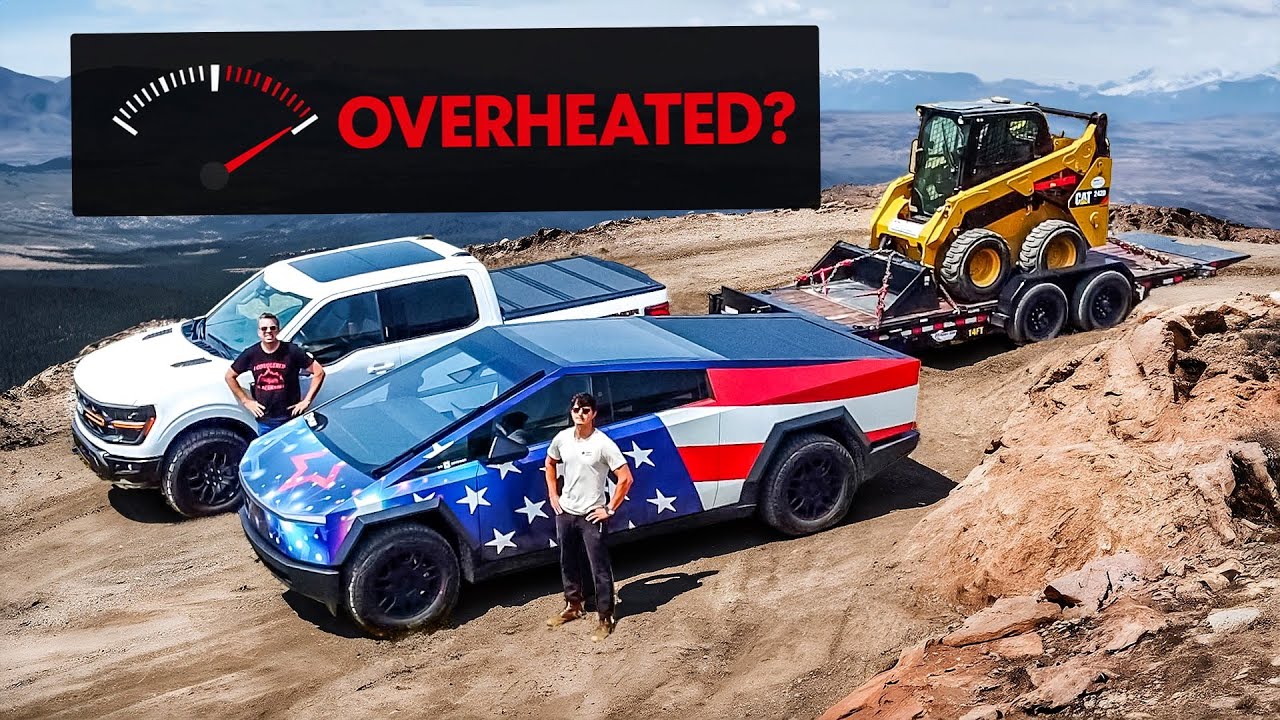
1) Sample of one test to failure experiment. My reliability guys at work loved these types of tests. The important part is ensuring the "pedigree" of the test sample. To make the test meaningful, you needed a "representative" part. Given the "impact marks" on the drivers rear door, I'm having an issue with pedigree.
2) Test methods and instrumentation are highly questionable. The fact that the tester did not understand the difference between 5 lb "accuracy" and "resolution" for the load cell is rather troubling. These devices can be quite good assuming that they are calibrated for full scale and zero offset. I see no evidence of that.
3) The physics used to justify this test are rather elusive. Does anyone pull a 11,000 lb load (max rating), with a 1/2 ton truck, a single axle trailer (maximum weight transfer to the ball), without a load distributing hitch? Unless your trailer goes vertical, you will not have a 11,000 pound STATIC load on the hitch.
4) Anyone who believes that cast aluminum is somehow inherently inferior to steel is misguided. They are simply two different materials that engineers use for different applications and requirements. We used cast AL in Aerospace due to it's light weight, heigh strength, corrosion resistance, and thermal conductivity (Actuators, fuel systems, and landing gear). The front A-arms on my RAM are cast aluminum and believe me they do take a pounding. It's a material. It's up to the engineers to use it properly (cost, weight, strength, durability, corrosion resistance - etc). If the material is used incorrectly, you miss the design requirements (life, cost, weight, etc).
In the future, can we agree that most of the Youtube videos are intended for entertainment and click value? No need to get wrapped up in questionable physics and engineering rationalizations.
Life is way too short for this crap.