
- Joined
- Mar 24, 2014
- Posts
- 2,934
- Reaction score
- 5,509
- Location
- South Jersey
- Ram Year
- 2010, 2014
- Engine
- 1500, 3500
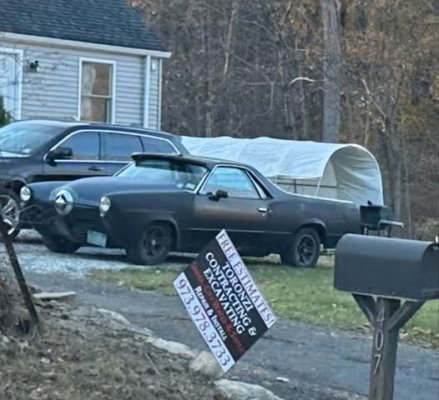
Jury is still out on this one.......


Disclaimer: Links on this page pointing to Amazon, eBay and other sites may include affiliate code. If you click them and make a purchase, we may earn a small commission.

Someone has obviously not dealt with the quarter panel and trunk floor rot of a vintage Mopar lol.Back when they used steel to build cars,and they didn't have the rust issues of todays vehicles
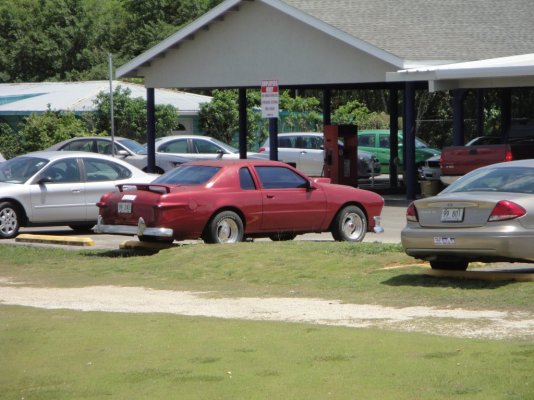
That reminds me of an abortion I saw down in the Caribbean during a patrol break.

Prior to the Unibody cars of the 60's,they'd usually make 30+ years before rust put holes in the floor boards or 1/4's,lolSomeone has obviously not dealt with the quarter panel and trunk floor rot of a vintage Mopar lol.
That reminds me of an abortion I saw down in the Caribbean during a patrol break.
View attachment 583046View attachment 583045
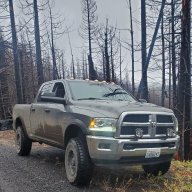

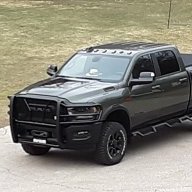
I like it!
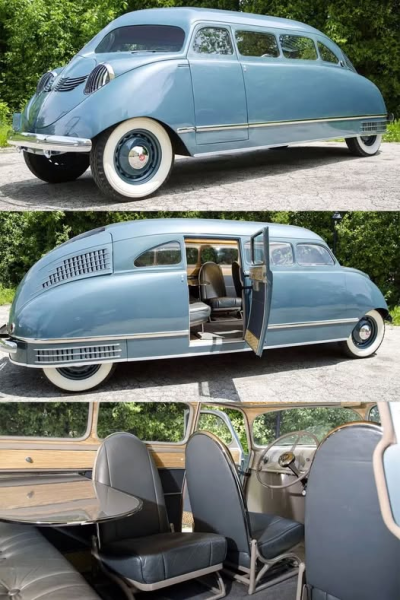

Like every High School parking lot in the 70's

Like every High School parking lot in the 70's


My high school days!