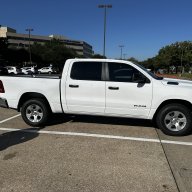

Stellantis downgraded at S&P as inventory management, pricing weighs on margin
Stellantis’ (NYSE:STLA) efforts to trim inventory by reducing shipments and increasing incentive pricing on its key models came at the expense of EBITDA margins and, with the lagged effects of price reductions in North America, tariff risks, and uncertainties regarding demand led S&P Global to downgrade the company’s credit rating to BBB from BBB+.S&P now expects margin growth in 2025 to fall short of its previous expectations and will come in below the 10% threshold necessary for a BBB+ rating. The rating agency also assumes last year’s inventory correction and new model launches will contribute to shipment growth of 2.5% in 2025, which comes amid a “material” loss in market share for the company in both North America and Europe.
Against the backdrop of increased price sensitivity and intense competition in Europe, S&P believes it will be harder for Stellantis (NYSE:STLA) to regain market share in 2025 without compromising on pricing and incentives.
“The lagged effects of price reductions in North America, some key new models being only available for part of 2025, U.S. tariffs, and uncertainties regarding demand have led us to revise our projected EBTIDA margin to 6.5% in 2025,” the rating agency wrote in Thursday’s report.
Major US Automakers (F, GM, STLA) That Are in Jeopardy
Prolonged U.S. tariffs on imports from Mexico and Canada pose further risks for the carmaker. While Stellantis (NYSE:STLA) is not expected to absorb the full cost of a 25% tariff on imported vehicles from Mexico and Canada, S&P assumes that in consideration of price elasticity and a 75% pass-through of the additional cost, the tariff will reduce Stellantis’ (STLA) adjusted EBITDA by about €1.5B for 2025.
“In our base case, Stellantis’ average transaction price in the U.S. increases by 6-8% while U.S. volumes contract by 5% to 7% compared to the status quo on tariffs.”
Finally, the rating agency also lowered its assessment of Stellantis’ (STLA) management and governance. This mainly reflects the late detection and implementation of corrective measures to address operating problems in North America, and misaligned pricing and product positioning.
These shortcomings led to the resignation of Carlos Tavares as chief executive last year after the company was forced to slash its profit guidance last September and realize a 27% drop in revenue. In the aftermath of Tavares’ exit, Stellantis implemented organization changes to balance regional and global responsibilities to improve decision-making speed. These measures have yet to restore investor confidence, with the stock down 53% from last year and flatlining below $13 per share.
Despite the cautious assessment by S&P, Wall Street analysts and Seeking Alpha authors remain bullish on Stellantis (STLA), rating the stock as a Buy. Seeking Alpha's Quant rating is more guarded, however, giving the stock a Hold rating with a quant score of 3.26 out of 5.
https://www.msn.com/en-us/money/oth...agement-pricing-weighs-on-margins/ar-AA1Ao1nD
Last edited by a moderator: