Wheel torque or torque at the wheel versus engine torque... It will reduce top end, but everything else is pure monster! If you want to get better mileage, that is in the gas pedal, don't do 80mph where you used to, back it down. That's the trade off, you will need to tune the engine. Everything can be set back if there was an issue.
In essence, gearing itself
does not change the engine's inherent torque or horsepower output. Those figures are measured at the engine's crankshaft.
However, gearing dramatically affects
how that torque is delivered to the wheels and, consequently, the vehicle's performance. Here's how:
- Torque Multiplication: Lower gears (higher numerical gear ratio) reduce the rotational speed of the wheels relative to the engine's speed, but they proportionally increase the torque delivered to the wheels. This is why a vehicle can accelerate powerfully from a stop in first gear, even though the engine's maximum torque might be produced at higher RPMs. It's like using a longer lever – the same input force results in a greater output force, but with a shorter distance traveled.
- Speed and Torque Trade-off:Gears create a trade-off between speed and torque.
- Higher gear ratios (lower numerical ratio) favor speed, allowing the vehicle to travel faster for a given engine RPM, but reduce the torque available at the wheels.
- Lower gear ratios (higher numerical ratio) favor torque, increasing the pulling power but reducing the top speed in each gear.
- Optimal Engine Performance: Gearing helps keep the engine operating within its optimal powerband (the RPM range where it produces the most power and torque), even as the vehicle's speed changes. This allows the engine to deliver its best performance for different driving conditions, such as starting from a standstill, accelerating, or cruising.
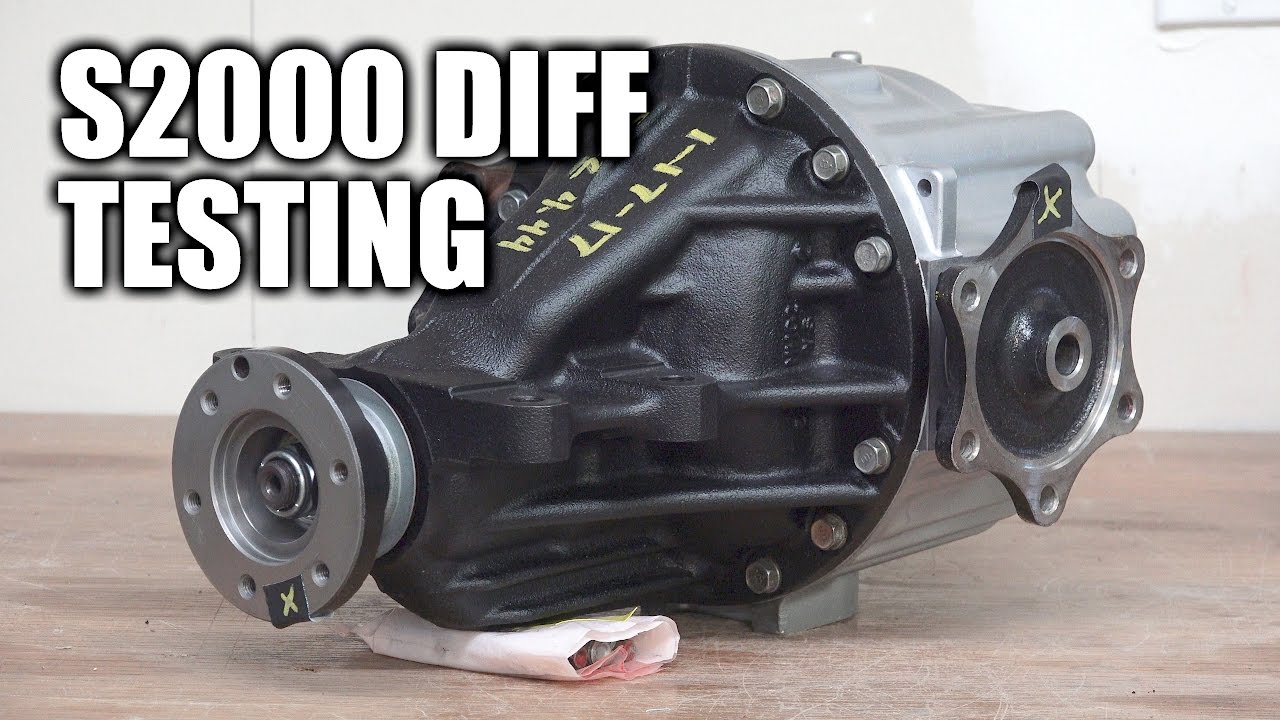
- Final Drive Ratio: The final drive ratio, which is the gear ratio between the driveshaft and the axle shafts, also plays a significant role in determining how engine torque translates to the wheels. A more aggressive (higher numerical) final drive ratio increases wheel torque and acceleration but reduces top speed.









 The Euro guys are putting upwards of a 1,000hp through a stock 8HP70,i'm not sure how,but they're doing it,and the transmissions are living


