

Dielectric Grease

Disclaimer: Links on this page pointing to Amazon, eBay and other sites may include affiliate code. If you click them and make a purchase, we may earn a small commission.

Wild one

Senior Member
Joined
Jan 17, 2016
Posts
23,902
Reaction score
55,082
Ram Year
14 Sport
Engine
5.7
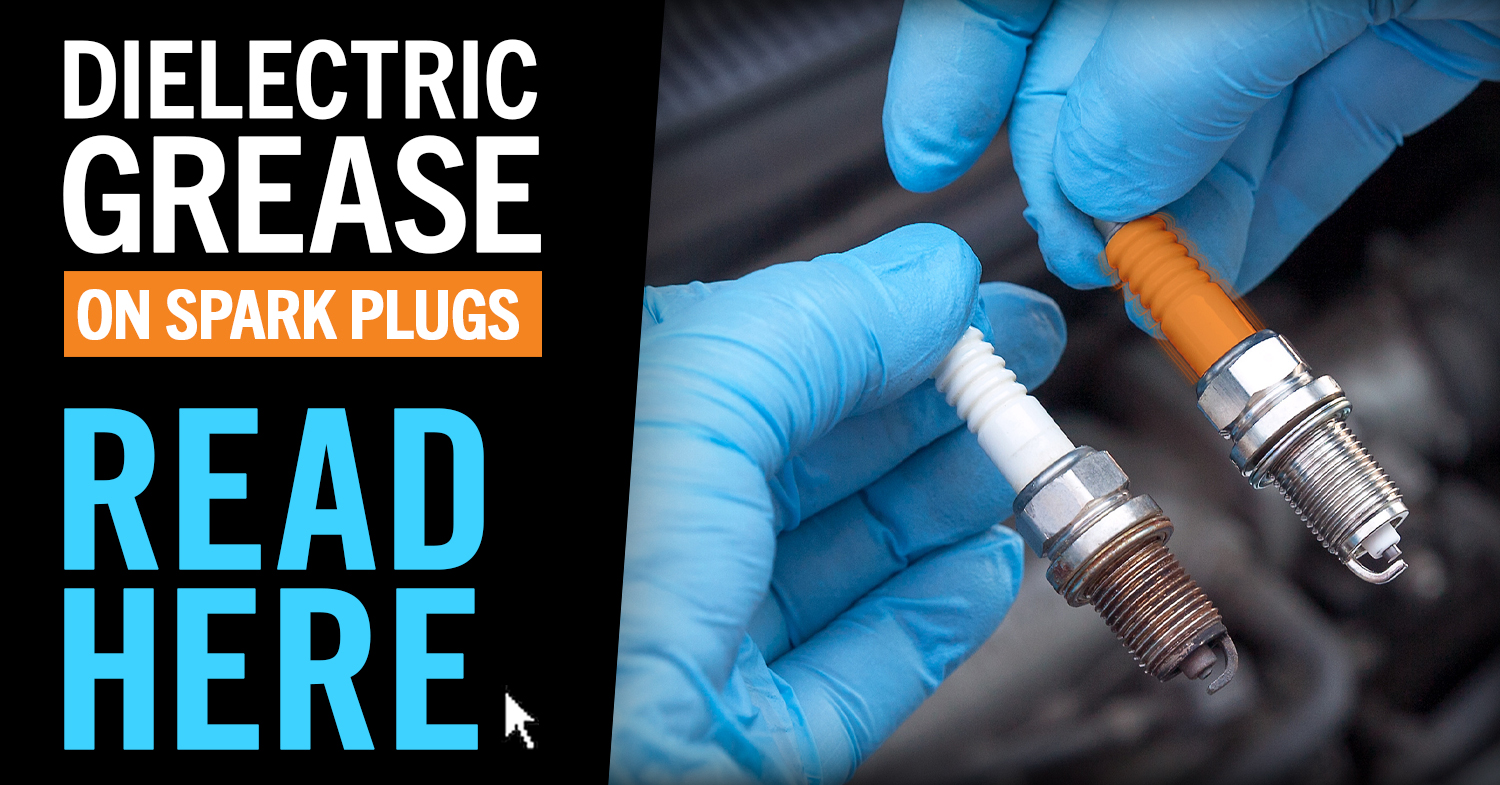
I think some of you guys are using dielectric grease for the wrong purposes.
Here's something you need to read.
I never put any inside a spark plug boot,i always put a smear of it on the base of the porcellin on the plug,so i do sort of disagree with the way they use it inside a plug boot


Grams

Senior Member
Joined
Oct 4, 2024
Posts
1,159
Reaction score
1,877
Location
Texas
Ram Year
2024 & 2015
Engine
6.7 Cummins & 5.7 Hemi
That article is simply incorrect. Dielectric grease is Specifically for electrical connections and terminals, and on aircraft is used Directly on the metal contacts for the specific purpose of ensuring good electrical contact and to prevent oxidation (corrosion).

I ALWAYS use a Q-tip to smear it thoroughly inside the spark plug boot including the metal terminal. As an aircraft mechanic…I have done this for 40+ years on both aircraft and automotive and marine ignition systems with complete success. (not to mention that if a 55,000-volt electron cannot penetrate a thin “smear” of grease then there are Significantly Greater issues at hand.)

…and the grease ensures that next time you need to remove the boot it’s not vulcanized to the spark plug insulator. (A “dab” of it on spin on oil filter gaskets is also recommended instead of “oil or petroleum grease” which will “coke” and “cook” and make the filter/gasket difficult to remove next time. BTW…the REASON instructions ask you to use “oil” or “grease” is not to make it easy to remove next time… It’s to prevent the twisting action of installation from dislodging or twisting the gasket out of position during installation. Again, in aircraft spin on filters…we smear a bit of dielectric grease on the filter gasket…NEVER use oil or grease.
Hope this helps.
 
Last edited:
OP
OP
W

Wild one

Senior Member
Joined
Jan 17, 2016
Posts
23,902
Reaction score
55,082
Ram Year
14 Sport
Engine
5.7
That article is simply incorrect. Dielectric grease is Specifically for electrical connections and terminals, and on aircraft is used Directly on the metal contacts for the specific purpose of ensuring good electrical contact and to prevent oxidation (corrosion).

I ALWAYS use a Q-tip to smear it thoroughly inside the spark plug boot including the metal terminal. As an aircraft mechanic…I have done this for 40+ years on both aircraft and automotive and marine ignition systems with complete success. (not to mention that if a 55,000-volt electron cannot penetrate a thin “smear” of grease then there are Significantly Greater issues at hand.)

…and the grease ensures that next time you need to remove the boot it’s not vulcanized to the spark plug insulator. (A “dab” of it on spin on oil filter gaskets is also recommended instead of “oil or petroleum grease” which will “coke” and “cook” and make the filter/gasket difficult to remove next time. BTW…the REASON instructions ask you to use “oil” or “grease” is not to make it easy to remove next time… It’s to prevent the twisting action of installation from dislodging or twisting the gasket out of position during installation. Again, in aircraft spin on filters…we smear a bit of dielectric grease on the filter gasket…NEVER use oil or grease.
Hope this helps.
There are electrically conductive electric greases available,which you guys would of probably been using,but the average dielectric grease you buy at your local brick and mortar auto store is not usually a conductive dielectric grease.


"The primary difference between dielectric greases and "conductive" greases is that "conductive" greases and anti-seize greases include some amount of finely-powdered metal. "
 

04fxdwgi

Senior Member
Joined
May 19, 2023
Posts
1,828
Reaction score
3,854
Location
Coastal NE North Carolina
Ram Year
2016 1500 Sport
Engine
5.7 Hemi
In the highly corrosive marine environment, I use the same conductive contact grease on electrical / battery connections that the telecom industry uses on all the DC buss connections. They use that with a hundred years of history / track record. Good old bellcor stds..

For non electrical connections, I use the std old non conductive dielectric grease (insulating silicon) to to keep moisture out of connectors and plug boots. Never have a problem.
 
Last edited:

Grams

Senior Member
Joined
Oct 4, 2024
Posts
1,159
Reaction score
1,877
Location
Texas
Ram Year
2024 & 2015
Engine
6.7 Cummins & 5.7 Hemi
There are electrically conductive electric greases available,which you guys would of probably been using,but the average dielectric grease you buy at your local brick and mortar auto store is not usually a conductive dielectric grease.


"The primary difference between dielectric greases and "conductive" greases is that "conductive" greases and anti-seize greases include some amount of finely-powdered metal. "

We specifially used Dow-Corning DC4 , Electrical Insulating Compoud which, despite that title is described thusly:

  • Typical Use: Used for making a moisture-proof seal for aircraft, automotive and marine ignition systems and spark plug connections, electrical assemblies and terminals, assembly lubricant for various metal-on-plastic and metal-on-rubber combinations.”
 

Members online

No members online now.

Forum statistics

Threads
211,431
Posts
3,066,552
Members
171,932
Latest member
Berry57
Back
Top