AI Overview
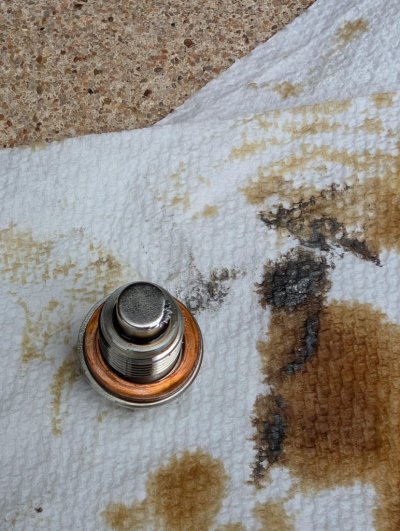
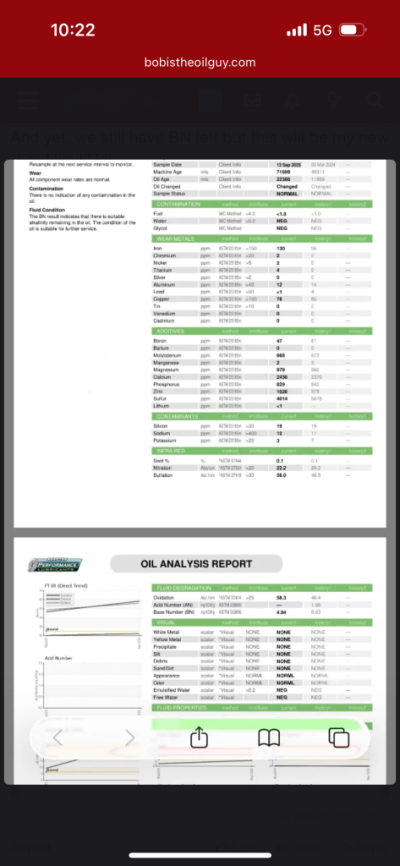
Most standard oil analysis tests cannot detect large metal particles because
they are designed to measure only very small, sub-visible wear metals. The primary techniques, such as Inductively Coupled Plasma (ICP) or Rotating Disc Electrode (RDE) spectroscopy, have specific particle size limitations that larger debris exceeds.
Here is a breakdown of the reasons why standard oil analysis tests miss large metal particles:
1. Spectroscopic limitations
The elemental analysis performed via spectrometry, a core part of oil analysis, functions by vaporizing the oil sample to identify the atomic elements present.
- Insufficient energy: Large metal particles cannot be fully vaporized in the short time they are exposed to the spectrometer's plasma, meaning the test only registers a portion of the particle's material.
- Particle size limits:
- ICP spectrometers can typically only measure particles up to 3 to 5 microns in size.
- RDE spectrometers have a slightly higher limit of around 8 to 10 microns.
- Missed critical wear: Severe wear events like fatigue, adhesion, and abrasion generate particles much larger than these limits, which the spectrometer completely misses.
2. Sample preparation issues
For spectroscopic analysis, the oil sample must be diluted and converted into a fine aerosol mist.
- Settling: Diluting the oil significantly lowers its viscosity, causing larger, heavier particles to settle to the bottom of the sample tube. This means the large particles are never drawn up into the instrument for analysis.
- Tubing blockages: The transport systems (tubing) that move the sample to the instrument are very narrow. Large particles can block this tubing entirely, preventing the sample from being analyzed at all.
3. Focus on early, microscopic wear
Standard elemental analysis is highly effective at tracking the gradual, microscopic wear that occurs during normal operation.
- It is designed to detect a gradual, non-catastrophic increase in the concentration of fine wear metals.
- The appearance of large particles, however, often signifies a more severe or imminent failure, which requires different, more intensive tests to detect.
Alternative tests for large particles
To detect larger metal particles and catch potentially catastrophic failures, specialized tests are required:
- Analytical Ferrography: This process involves a magnetic separation to extract and arrange ferrous (magnetic) particles on a slide, which are then analyzed under a microscope. The analyst examines the size, shape, and composition of the particles to determine the source and severity of the wear.
- Particle Quantifier (PQ) Index: This test measures the total amount of ferrous material in an oil sample, regardless of particle size, by exposing it to a magnetic field. A high PQ reading combined with low spectroscopic readings is a clear indication that large ferrous particles are present.
- Microscopic Filter Analysis: A technician can cut open the oil filter and visually inspect the debris trapped in the filter media. This provides a direct look at the large metal shavings and other contaminants that the filter successfully removed.
- Direct-Reading Ferrography: This technique also magnetically separates ferrous particles and measures the quantity of large and small particles. A high ratio of large to small particles indicates severe, active wear.