
Disclaimer: Links on this page pointing to Amazon, eBay and other sites may include affiliate code. If you click them and make a purchase, we may earn a small commission.
Next time make sure you torque it to the recommended 250 ft lbs. That better?wrong bolt there, einstein.
also, stop spreading misinformation
When I was observed using both my inch pound and foot pound torque wrenches whilst building transmissions at the dealer, I was lambasted and put down. Funny thing, though... I had low single digit recheck/ comebacks, and even fewer troubles that ever came back to workmanship, while the blowhards had many. many more.If you cant tighten a bolt as simple as a idler pully by feel without a torque wrench you probably shouldnt be working on your vehicle just my 2 cents.![]()
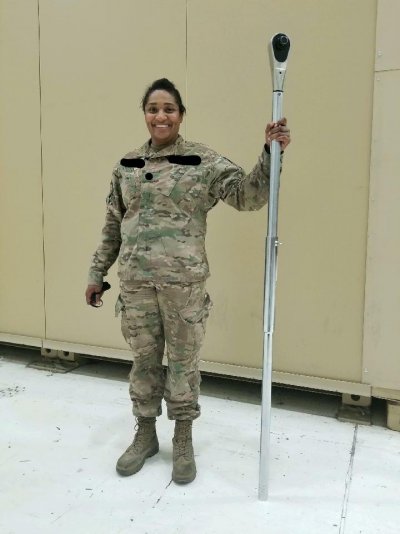
Whoo, Boy! That's a bigun!
I think they call that torque "elbow"When I was observed using both my inch pound and foot pound torque wrenches whilst building transmissions at the dealer, I was lambasted and put down. Funny thing, though... I had low single digit recheck/ comebacks, and even fewer troubles that ever came back to workmanship, while the blowhards had many. many more.
When bolts go into soft aluminum, the torque specs are very critical. Perhaps you have calibrated hands!
I think Archimedes was onto something, eh?

I want one of those wrenches.......
So what is the consensus on the torque spec for the idler pulley bolts? According to this thread alone, we have one unfortunate soul who broke off the bolt attempting to torque to 45 ft. lbs., and another who did so at just 30 ft. lbs.
The Factory Service Manual for my 2008 Dodge Ram 1500 (5.7L) lists the correct torque as being 40 ft. lbs. per PDF page 1,419:
View attachment 543732
Is this a misprint, given the broken bolt experiences listed earlier in this thread? For sake of reference, I found a post in a 2014 Challenger forum which lists the idler pulley torque spec at just 21 ft. lbs.