Ive never heard of that, how do I make that happen?
Here you go, Brother!
Get on that, like yesterday

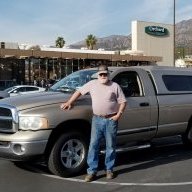
I'd also consider indicating "Diminished Value" as well because of the year, mileage, and virtually pristine condition your truck was in before it got hit & run.
Claiming "cascading" or consequential damages in a U.S. vehicle collision involves seeking compensation for losses that occur indirectly after the initial accident, such as additional injuries discovered later, increased vehicle repair costs, or lost income due to medical complications. These damages are compensable, but they require high-quality evidence, such as medical records, expert testimony, and photos.
Steps to Claim Cascading Damages
- Document Everything Immediately: Keep detailed logs of all medical treatments, missed work, and repair issues that arise after the accident.
- Establish Causation: You must prove that the new damage or injury is directly linked to the original accident, not a new incident.
- Seek Immediate Medical Care: Delayed treatment makes it difficult to link injuries to the collision, allowing insurers to claim pre-existing conditions.
- Get Expert Witness Testimony: Doctors and accident reconstruction specialists are crucial for proving that the long-term or unexpected damages flowed from the accident.
- Avoid Early Settlement: Do not settle with insurance companies until you understand the full extent of your damages, as they may try to pay only for the initial, obvious damages.
Key Considerations for Cascading Damage Claims
- Property Damage (Diminished Value): If your vehicle was repaired but is now worth less, or if it had hidden damage, you may be able to file a "diminished value" claim for the added loss in value.
- Medical Complications: If an injury worsens or requires additional surgeries, these are generally covered, provided there is a clear medical link to the initial trauma.
- Multi-Vehicle Accidents: In a chain-reaction, liability can be split among multiple parties, meaning you may need to file claims against several drivers to cover all damages.
- Statute of Limitations: Each state has its own time limit (often 1–3 years) for filing a personal injury lawsuit. Missing this deadline means you cannot sue for additional, later-discovered damages.
- Comparative Fault: If you are found partly responsible for the accident or its escalation (e.g., not wearing a seatbelt), your compensation may be reduced proportionally.
When to Seek Legal Counsel
Because cascading damages are often contested by insurance companies, you should consult a personal injury lawyer to help navigate complex liability and ensure you do not miss deadlines, particularly if you are in a state with low minimum insurance coverage.
In a US vehicle collision,
diminished value is the loss in market value a car suffers due to an accident history (stigma), even after repairs. It represents the difference between pre- and post-accident value.
Cascading damages (often implied by "repair-related" or "hidden" damage) are the additional, unexpected issues arising from poor repairs or flaws in the initial repair process.
Key Differences
- Diminished Value (Inherent): A market reality where a vehicle is worth less on resale because it was wrecked, even if restored to perfect condition. This is a "stigma" loss.
- Cascading/Repair-Related Damages: Physical issues arising because repairs were low quality, used non-OEM parts, or didn't fix hidden damage (e.g., electronic failures from a wreck, improper paint matching).
Key Considerations
- Diminished Value: As noted by Top Class Actions, this is often pursued to recoup the inherent loss in value after a car is repaired. Generally can be filed against the at-fault party's insurance.
- Repair-Related Value Loss: Occurs when repairs fail to bring the car back to its original condition, creating further loss.
- Reconciling Damage: According to Miller Thomson, the terms can be used to describe the economic loss of a property's value as a result of the property having been damaged.
Typically, you cannot file a diminished value claim if you were at fault. These claims are most successful on newer, high-value vehicles with low mileage.