You know fairly rudimentary math actually suggests otherwise. Assuming every vehicle in the US today was magically changed to an EV over night, the one real problem that could happen would be if they all were to be charged at exactly the same time. Current grid capacity would be absolutely be exceeded - similar to how we see issues when everyone fires up their ACs or whatever. However, we also know that isn't a reality because well... magic isn't real, and statistically there is no chance that all ~270 million vehicles would be charging at the same time for a tremendous amount of reasons.
That said, we know that in 2020, the
US grid generated 4,007TWh of electricity. Using average mileage and kWh figures (12,000 miles, 0.3 kWh), one would need ~3,600kWh per year. So again, if magically all US cars were instantly EVs, they would need a total of ~1000TWh of power per year. Which is just about 25% of what we produced in 2020.
Could the grid effectively generate and serve that additional power, I'm not sure, but again this is all with done with the pretense of magically having every vehicle in the country be an EV over night which we know is not a reality. I'd imagine some decent management would need to be in place, and upgrades would definitely have to be done to handle the additional consumption; though I am far from an EE. However it's easily safe to say that it is a far, far, stretch from not being "sufficient enough to provide the amount of electricity for even 50% of all people to own a EV", and is very likely capable of dealing with a majority of EVs, if not all. Today.
chargehub.com should be able to show you all the stations around you. They definitely are still quite less frequent than your normal gas station in many places, that's for sure. But at the same time, you'll also be living at "gas station".







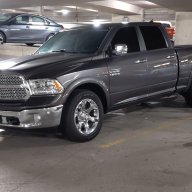





 unless you use poor judgment and don't watch your fuel gage! Then they are not green because electricity don't just come out of an electric outlet, it has to be generated and to do that it takes burning Coal, Natural Gas, or nuclear power. Hydro generated power plants are very few so they don't count in the equation. I have no need nor do I care about electric vehicles of any brand no to mention losing the Great sound of a V8 with dual exhaust screaming intake and tire burning all at the same time! I say **** on EV!!!!


