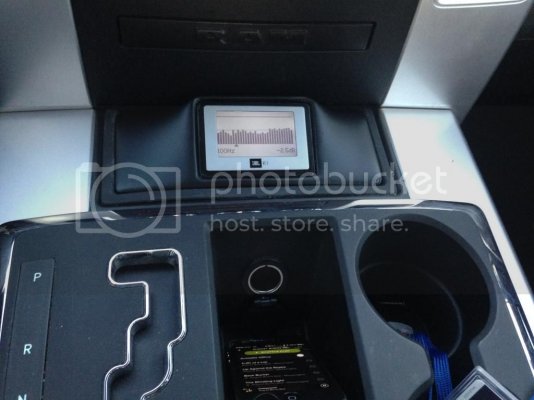
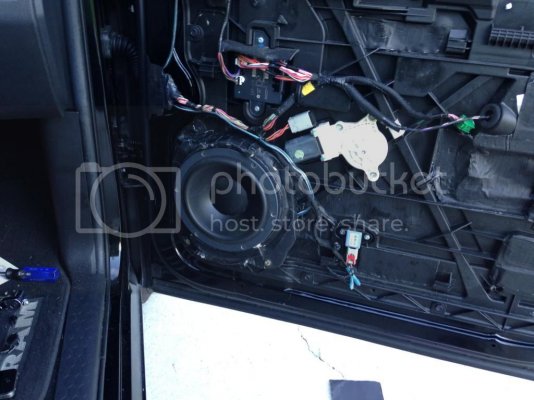
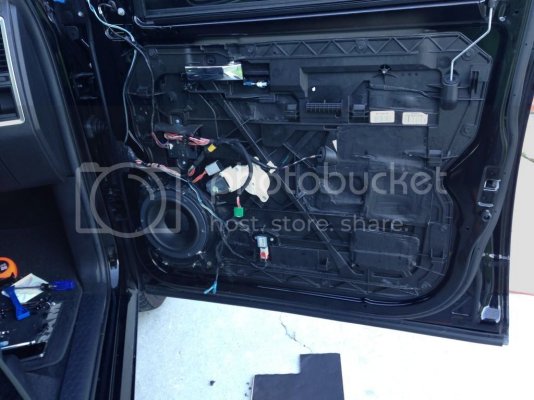
Something else i thought id share that i thought was really cool and could help others as they get more in depth in tuning their system.
Now all the work and money put into this doesnt necessarily mean the perfect sound right off the bat. Could actually sound worse than just an amp and a few 6x9s if not setup correctly so ive been doing a lot of reading trying to figure the right paths to take. PATHS, because there are many...
I had a 3 way active setup in my last vehicle and was constantly tweeking and tunig but seemingly never really got anywhere. Now, the ms-8 does help a TON for a noobish tuner as myself but really all i got was a nearly perfect sound stage. Which means, all the music is coming from up front. Like being at a concert, all music is in front of you. Almost as if the band is playing on the dash board. Its hard to explain if you havent experinced it, but all the music seems to be just coming from the windsheild and you cant actually hear the speaker, you just hear the music (your ears cant determine where the sound is actually coing from) if that makes any sense. This is something I have never been able to to achieve on my own, at least not to this extent.
Now once the MS-8 does its thing, it was the tone of the music that i was unhappy with. Top end seemed dull and midbass was lacking. This is where the 31 band EQ comes into play. This is also where, in the past, I usually mess everything up. so in my studies, i found what the pros consider to be the best response curve. Of course this is extremely subjective but all of them are very similar so this is what i would aim for and go from there...

You can see the bump in the lower frequencies, a relatively flat response throught the midrange, and a slight roll off on the high end. Now just set your EQ to that shape and your good to go, right? WRONG! This is the respnse of your speakers. To find the response you would need an RTA (real time analizer) which could cost up in the hundreds of dollars or even more.
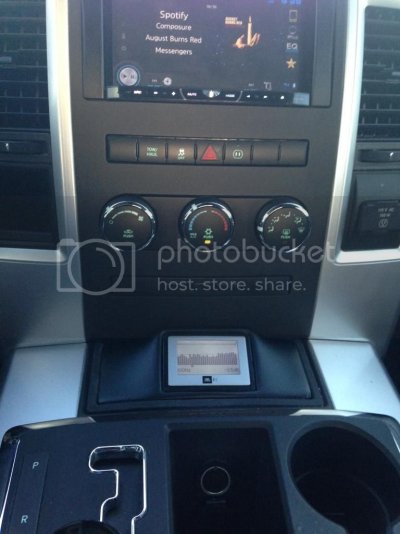
What I found and have read that others got pretty accurate results with is an iphone app JL audio tools (free), there are many others, that use your smart phones mic to measure frequency responce down to 1.3 octave (which is exactly what the MS-8 EQ is).
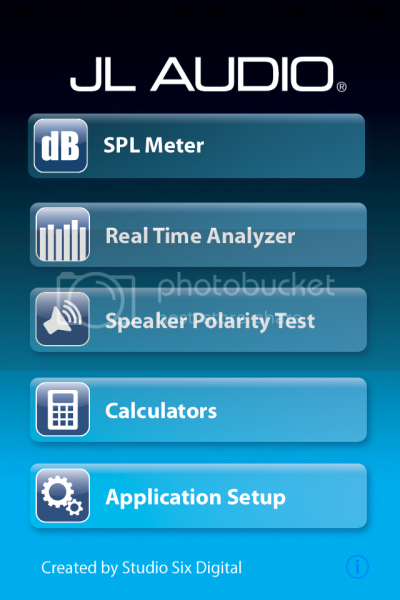

(my office response, not my truck.) Ill show that later
Now, I am %100 aware that this may not be dead on accurate nor a substitute for a $600 RTA setup, but for a novice I thinks a great and free alternative or starting point to find major peaks and dips in response. It did for me.
What you do is look for a frequencey that is way higher or lower than the one next to it than adjust your EQ accordingly. For instance in the chart above, 63 hz and 100hz are significantly louder than the band in between. You want to even those out. by dropping both, raising one, or having them meet in the middle (depending on you desired response curve). You want to do this across the whole eq and ultimately having your response look similar to one of the few in the chart above or to whatever your taste desires. what this does basically is have all frequencies playin about the same volume which in turns makes the music sound a lot smoother and cleaner and lets u turn it up LOUDER.
I started this last night and was really surprised at how sloppy my response was and much i had to cut certain bands to get it close to the next. I started with the low freq and was amazed how much it cleaned up the mid bass sub bass region. I found that at a certain volume my doors would distort pretty bad. Once i cut that frequency down a few Db, i was able to turn it up louder than before and still have a nice clean sound. when I get home later im going to finish playing with it and post my results.
Ok, that was wordy. If any of this is unclear, ill be happy to try and explain to the best of my knowledge as this is new for me as well and im still learning. Just thought id pass this along bc it helped me quite a bit and its pretty cool to play with.
If you made it this far, thanks for reading.