2500 Payload - Gas vs Diesel - something doesn’t add up

Disclaimer: Links on this page pointing to Amazon, eBay and other sites may include affiliate code. If you click them and make a purchase, we may earn a small commission.

ronheater70

Senior Member
Joined
Mar 6, 2017
Posts
514
Reaction score
321
Ram Year
2024
Engine
6.4
I hated my 6.4 Hemi in my 2500 for towing 10K. It was a dog, period. I cant believe the difference between towing 8K with the truck (fairly enjoyable) and 10K (2nd gear on the interstate in some areas).I know the 8 speeds are better though. For that reason I finally moved up to the Cummins. I looked closely at 2500's and even almost walked out the door with one until I saw the Payload for the particular one I was looking at was like 1980 LBS or some ridiculously low number. I know, as others have stated, that the payload on the 2500's is arbitraily set and not a factor of safety for the components. SO had the deal been good enough I probably still would have bought it, but I chose instead a 3500 G56 they had on the showroom floor. I tend to pay attention to the sticker but its by no means the golden last word, the component ratings are more important. I now tow about 13.5K in a fifth wheel, My truck is happy with that load.
 

Firebird

Senior Member
Joined
Jul 19, 2015
Posts
1,488
Reaction score
1,463
Ram Year
2019 Ram 2500
Engine
Hemi
Many of the RV forums I frequent have touted diesel as the preferred fuel type for towing travel trailers, both bumper pull and fifth wheel. Diesel used to have significantly higher payload than the equivalent gas powered truck so this made sense. I now see a trend toward Gas over Diesel as the 2500 GVWR’s are 10,000 pounds and trucks aren’t getting lighter.

Fast forward to today... they payload capacities of comparably equipped trucks have switched to favor gas over diesel. What gives?

Diesel - 2020 Ram 2500 Tradesman 4x4 6’4” bed - 2350 pound payload
Gas - 2020 Ram 2500 Tradesman 4x4 6’4” bed - 3146 pound payload

796 pound difference between the two models, favoring Gas. The payloads decrease as trim levels increase.

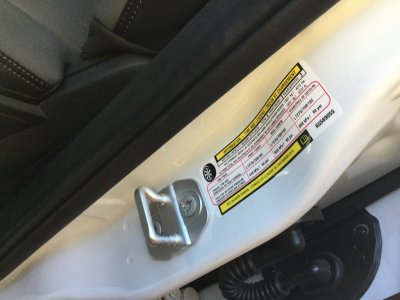
Diesel is used to pull heavier loads, but how is this being done legally as in not being over-weight per the payload sticker in the driver door jamb?

What am I missing? Do operators not care, not know or a combination of both? Is ignorance bliss?

What are your thoughts?
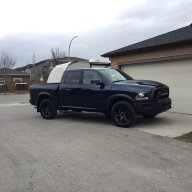
I’m amazed at the number of folks choosing gas over diesel for their tow rig (me included). Honestly, the 6.4 just flat out drives better than the Cummins, and that is important since it is also my daily driver.
 

Tim7139

Senior Member
Joined
Oct 24, 2015
Posts
729
Reaction score
304
Location
Alberta, Canada
Ram Year
2020 Classic ST Crew 4x4
Engine
5.7 Hemi w/8 speed 3.92 gears
The manufacturers calculate the payload based on how the truck is configured when it leaves the factory with the factory rear axle, factory springs, and the factory tires. My 2500 diesel from the factory had 2800 lb payload rating. I added SuperSprings and changed out the tires to get it to where it safely supported a 4000 lb payload in the bed for my slide-in camper.
Indeed. You can change what's safe but you can't change your door sticker, which states what's legal. Some jurisdictions are more understanding than others.

If you order a 4th GEN truck with off road tires or steel wheels you loose 100LBS of GVRW. Order with the 22's and you loose 700Lbs of GVRW. You can (and I have) swap out rims and tires for ones that come on a 6900GVRW truck but your still legal GVRW is unchanged. In B.C. the scales, courts, and insurance say sticker beats brains and your sticker is your max end of story. In A.B. I just need a picture of the old and new tires/rims and a copy of the spec sheet indicating the GVRW rim/time link and insurance said they'll cover it at the higher GVRW.
 
Back
Top