Synthetic Oil

Oil of Choice

  • Castrol Syntec/Edge

    Votes: 254 8.4%
  • Royal Purple

    Votes: 344 11.4%
  • AMSOil

    Votes: 428 14.2%
  • Valvoline Synpower

    Votes: 174 5.8%
  • Mobil 1

    Votes: 1,077 35.7%
  • Other

    Votes: 737 24.5%

  • Total voters
    3,014

Disclaimer: Links on this page pointing to Amazon, eBay and other sites may include affiliate code. If you click them and make a purchase, we may earn a small commission.

Wild one

Senior Member
Joined
Jan 17, 2016
Posts
23,899
Reaction score
55,057
Ram Year
14 Sport
Engine
5.7
I agree, bumping the idle up to 650+ is a better option IMO. Plus I have not seen the 5.7 be starved for oil at higher rpms...

What really caught my attention in this video was GDI and the problems they create
750+ is where the stock pump starts to make really good pressure Corey. Even my 300 which is completely stock in regards to the oiling system idles at 49/50 psi with the idle rpm sitting at 750,which is more then any of the high volumn pumps make idling at 550/600.I run the RP 20-820 filter and Redline 5W-30 mixed half and half with PUP 5W-30,just to reduce the costs of it's oil changes slightly
 

HEMIMANN

Senior Member
Joined
Dec 7, 2020
Posts
9,610
Reaction score
25,245
Location
Minneapolis, MN
Ram Year
2017 2500 Laramie Crew Cab
Engine
6.4L HEMI
I mean, 650 rpm idle is a recent change from many years @ 750 rpm for auto trannys. All at the holy alter of EPA CAFE mileage increases without consideration of ANY other parameter.

Engine durability be damned.
 

Wild one

Senior Member
Joined
Jan 17, 2016
Posts
23,899
Reaction score
55,057
Ram Year
14 Sport
Engine
5.7
I mean, 650 rpm idle is a recent change from many years @ 750 rpm for auto trannys. All at the holy alter of EPA CAFE mileage increases without consideration of ANY other parameter.

Engine durability be damned.
In the old days alot of cars you set everything like carb/ignition timing with the idle rpm at 900+. I've had a few guys say you can't set the idle rpm above 600 other wise it'll push through the brakes,which is a joke. They usually shut up when i point out alot of cars idled at 900+ with drum brakes in the 60's and 70's,and they didn't push through the drum brakes sitting at a stop light :Big Laugh:
Stock 5.7's and 6.4's usually idle at 550/600 and have been that way for many years now Brian
 
Last edited:

Burla

Senior Member
Joined
Apr 28, 2012
Posts
27,745
Reaction score
58,194
Ram Year
2010 Hemi Reg Cab 4x4
Engine
Hemi
I mean, 650 rpm idle is a recent change from many years @ 750 rpm for auto trannys. All at the holy alter of EPA CAFE mileage increases without consideration of ANY other parameter.

Engine durability be damned.
There is a name for this phenomenon and it rhymes with lay-pan.
 

Docwagon1776

Senior Member
Joined
Mar 16, 2012
Posts
4,770
Reaction score
10,232
Location
Midwest
Ram Year
2012, 2021
Engine
5.7, 6.4
I don't agree with his oil pump theories.If you have a 1/2" diameter hole,the only way you're forcing more oil through that hole is by upping the pressure,not upping the volumn. A high volumn oil pump making 50 psi at idle isn't forcing anymore oil through the system then a stock pump does that also makes the same 50 psi at idle.

True, but that's not the purpose of a high volume oil pump.

Short version: High volume pumps move more oil through the motor sooner in the RPM range but don't make any difference once max PSI level is attained. On a good condition hemi (or any modern factory tight tolerance motor), there would be a measurable difference in time to get oil circulating completely but probably not enough to amount to a hair in a bear's ass worth of difference in longevity.

More detailed version:

As you point out, the same amount of oil is going to move through a given system at 50psi regardless since oil isn't compressible. The "but" is different pumps will hit that max PSI sooner or later than others.

High volume oil pumps move more oil per rotation by virtue of having a larger chamber. That doesn't mean more oil circulates with each rotation at every RPM level since oil pumps have bypasses inside (as I'm sure you know, but others reading may not). Moving more oil but having the same max PSI means more oil volume (which also means more pressure) at a lower rpm and sooner on a cold start since less rotations of the motor are required to move the same volume of oil, but same oil flow through the motor at max PSI. The extra volume is still being moved with each "squish" of the chamber, it's just going through the bypass valve back to the low pressure side vs through the motor.

High *pressure* oil pumps have stiffer bypass springs so they allow a higher max pressure and don't divert oil back to the low pressure side as soon in the rpm range. Same oil flow at low rpm since chamber volume is the same, but more oil flow at high rpm since it lets max pressure build more so volume to the motor keeps growing higher into the RPM range until that new higher max PSI triggers they bypass.

High volume/high pressure pumps have both. Bigger chambers and stiffer bypass springs. More oil flow across the board.

On a new tight motor, high volume vs standard volume is probably angels on a pinhead territory again, they'll both hit that max PSI pretty early on and the hand full of revolutions difference in getting oil to the top is probably countable on your fingers. I haven't bothered mathing it out since I'd have to know the total volume of the oil passages and the volume of each lobe in the pump, but anyone with that info could easily figure out how many revolutions are saved. I figure the guys who designed the OEM pump did that math. :D
 

Wild one

Senior Member
Joined
Jan 17, 2016
Posts
23,899
Reaction score
55,057
Ram Year
14 Sport
Engine
5.7
True, but that's not the purpose of a high volume oil pump.

Short version: High volume pumps move more oil through the motor sooner in the RPM range but don't make any difference once max PSI level is attained. On a good condition hemi (or any modern factory tight tolerance motor), there would be a measurable difference in time to get oil circulating completely but probably not enough to amount to a hair in a bear's ass worth of difference in longevity.

More detailed version:

As you point out, the same amount of oil is going to move through a given system at 50psi regardless since oil isn't compressible. The "but" is different pumps will hit that max PSI sooner or later than others.

High volume oil pumps move more oil per rotation by virtue of having a larger chamber. That doesn't mean more oil circulates with each rotation at every RPM level since oil pumps have bypasses inside (as I'm sure you know, but others reading may not). Moving more oil but having the same max PSI means more oil volume (which also means more pressure) at a lower rpm and sooner on a cold start since less rotations of the motor are required to move the same volume of oil, but same oil flow through the motor at max PSI. The extra volume is still being moved with each "squish" of the chamber, it's just going through the bypass valve back to the low pressure side vs through the motor.

High *pressure* oil pumps have stiffer bypass springs so they allow a higher max pressure and don't divert oil back to the low pressure side as soon in the rpm range. Same oil flow at low rpm since chamber volume is the same, but more oil flow at high rpm since it lets max pressure build more so volume to the motor keeps growing higher into the RPM range until that new higher max PSI triggers they bypass.

High volume/high pressure pumps have both. Bigger chambers and stiffer bypass springs. More oil flow across the board.

On a new tight motor, high volume vs standard volume is probably angels on a pinhead territory again, they'll both hit that max PSI pretty early on and the hand full of revolutions difference in getting oil to the top is probably countable on your fingers. I haven't bothered mathing it out since I'd have to know the total volume of the oil passages and the volume of each lobe in the pump, but anyone with that info could easily figure out how many revolutions are saved. I figure the guys who designed the OEM pump did that math. :D

When cold both pumps are gonna hit the bypass pressure with-in milli-seconds of each other,i'd doubt there's any actual measurable differances,as you're not factoring in the pick-up tube and screen on the bottom of the pump . If we're talking cold like what i consider cold -25 or colder,the high volume pumps rob alot more starter torque,and can be the differance in whether the engine starts or not. Been there done that,and found out the hard way a high volume pump sucks as it takes more starter torque to spin the engine at temps below -25,that's when i learned you want an oil pan heater especially with a high volume pump.
Unless you increase the size of the oil passages inside the engine,a high volume pump isn't going to move more oil through the engine,if it's operating at the same pressure as a standard volume volume is.
Throw in the fact everybody seems to think the cam lobes and lifter wheel are fed pressurized oil,when they aren't,they're hung out in the open in the crankcase and are strictly oiled by crank splash,and the only way to get more crank splash at idle,is to up the idle rpm,not increase the size of the oil pump gears.
You have some valid points,but in the long run they aren't going to increase the life of the cam or engine,but they will rob the engine of horsepower
 
Last edited:

Docwagon1776

Senior Member
Joined
Mar 16, 2012
Posts
4,770
Reaction score
10,232
Location
Midwest
Ram Year
2012, 2021
Engine
5.7, 6.4
When cold both pumps are gonna hit the bypass pressure with-in milli-seconds of each other,i'd doubt there's any actual measurable differances,as you're not factoring in the pick-up tube and screen on the bottom of the pump . If we're talking cold like what i consider cold -25 or colder,the high volume pumps rob alot more starter torque,and can be the differance in whether the engine starts or not. Been there done that,and found out the hard way a high volume pump sucks as it takes more starter torque to spin the engine at temps below -25,that's when i learned you want an oil pan heater especially with a high volume pump.
Unless you increase the size of the oil passages inside the engine,a high volume pump isn't going to move more oil through the engine,if it's operating at the same pressure as a standard volume volume is.

We're saying the same thing, mostly. Like I said, you can probably count the difference in revolutions before oil hits the top on your fingers unless you're motors got pretty big tolerances from wear or what-have-you. For cold start, I just meant the standard "it's been sitting long enough the motor's cold again and the oil has drained back down to the pan" cold start, not the particulars of the climate. When I lived where it was actually cold (-20 to -30 F, not sure what that is in C) I had an oil pan heater as well as a block heater. The block heater was one of those that spliced into the lower radiator hose, the oil pan heater was kind of a magnetic heating pad thing that stuck to the bottom, though the heated dip stick was popular at the time as well.

Yeah, no free lunch in physics. If it's moving more volume, it's taking more energy to do it...and you're paying that energy cost even when the oil flow to the motor is the same since you're just "wasting" more flow through the bypass.
 

Wild one

Senior Member
Joined
Jan 17, 2016
Posts
23,899
Reaction score
55,057
Ram Year
14 Sport
Engine
5.7
We're saying the same thing, mostly. Like I said, you can probably count the difference in revolutions before oil hits the top on your fingers unless you're motors got pretty big tolerances from wear or what-have-you. For cold start, I just meant the standard "it's been sitting long enough the motor's cold again and the oil has drained back down to the pan" cold start, not the particulars of the climate. When I lived where it was actually cold (-20 to -30 F, not sure what that is in C) I had an oil pan heater as well as a block heater. The block heater was one of those that spliced into the lower radiator hose, the oil pan heater was kind of a magnetic heating pad thing that stuck to the bottom, though the heated dip stick was popular at the time as well.

Yeah, no free lunch in physics. If it's moving more volume, it's taking more energy to do it...and you're paying that energy cost even when the oil flow to the motor is the same since you're just "wasting" more flow through the bypass.
I'd think it'd be more in a partial revolution,not a complete revolution differance.
If the stock pump was actually lacking in volume,you'd think 6.4's would be wiping out crank/rod and cam bearings fairly often,as they have a built in oil leak with their piston squirters.
The piston squirters is why the majority of 6.4's run hotter oil temps and have lower idle pressures then the 5.7's do,but they don't wipe out bearings anymore then the 5.7's do,and they also don't bugger up cams anymore often then 5.7's do. So to me the stock pump is more then adequate,and you're better off keeping the stock pump and using that money you'd spend on a high volume pump to up the idle rpm by 150/200 rpm to get more oil onto the cam from the crank
 

Docwagon1776

Senior Member
Joined
Mar 16, 2012
Posts
4,770
Reaction score
10,232
Location
Midwest
Ram Year
2012, 2021
Engine
5.7, 6.4
I'd think it'd be more in a partial revolution,not a complete revolution differance.
If the stock pump was actually lacking in volume,you'd think 6.4's would be wiping out crank/rod and cam bearings fairly often,as they have a built in oil leak with their piston squirters.
The piston squirters is why the majority of 6.4's run hotter oil temps and have lower idle pressures then the 5.7's do,but they don't wipe out bearings anymore then the 5.7's do,and they also don't bugger up cams anymore often then 5.7's do. So to me the stock pump is more then adequate,and you're better off keeping the stock pump and using that money you'd spend on a high volume pump to up the idle rpm by 150/200 rpm to get more oil onto the cam from the crank

Well, if oil is completing the circuit in 6.2 revolutions or less with the standard pump you are correct, it'll be less than one revolution difference. (Assuming a Melling high volume pump or one with the same flow for they hypothetical).

We're on the same page about it not mattering in this application, unless you're at high enough miles and sloppy enough tolerances you're having issues maintaining oil pressure it's not a thing that matters and it's not a thing that'll help "tick" either way.
 

Hemi395

Senior Member
Joined
Mar 18, 2013
Posts
9,507
Reaction score
17,683
Location
Cape Cod MA
Ram Year
2013
Engine
5.7 Hemi
750+ is where the stock pump starts to make really good pressure Corey. Even my 300 which is completely stock in regards to the oiling system idles at 49/50 psi with the idle rpm sitting at 750,which is more then any of the high volumn pumps make idling at 550/600.I run the RP 20-820 filter and Redline 5W-30 mixed half and half with PUP 5W-30,just to reduce the costs of it's oil changes slightly
My truck on the stock tune idles at 500ish. WAY too low IMO, hot idel oil pressure was around 30psi when it was brand new. I bumped it up to 650 and now its around 43psi at hot idle.

Its crazy how just 150rpm difference netted me 13psi at hot idle, but now I might bump that up to 750:cool:
 

Wild one

Senior Member
Joined
Jan 17, 2016
Posts
23,899
Reaction score
55,057
Ram Year
14 Sport
Engine
5.7
My truck on the stock tune idles at 500ish. WAY too low IMO, hot idel oil pressure was around 30psi when it was brand new. I bumped it up to 650 and now its around 43psi at hot idle.

Its crazy how just 150rpm difference netted me 13psi at hot idle, but now I might bump that up to 750:cool:
Not only will it bump up the pressure some more at idle,you'll also get more crank splash onto the cam with the higher idle rpm,both are big benefits on a hemi , it needs all the help you can give it;)
 

HEMIMANN

Senior Member
Joined
Dec 7, 2020
Posts
9,610
Reaction score
25,245
Location
Minneapolis, MN
Ram Year
2017 2500 Laramie Crew Cab
Engine
6.4L HEMI
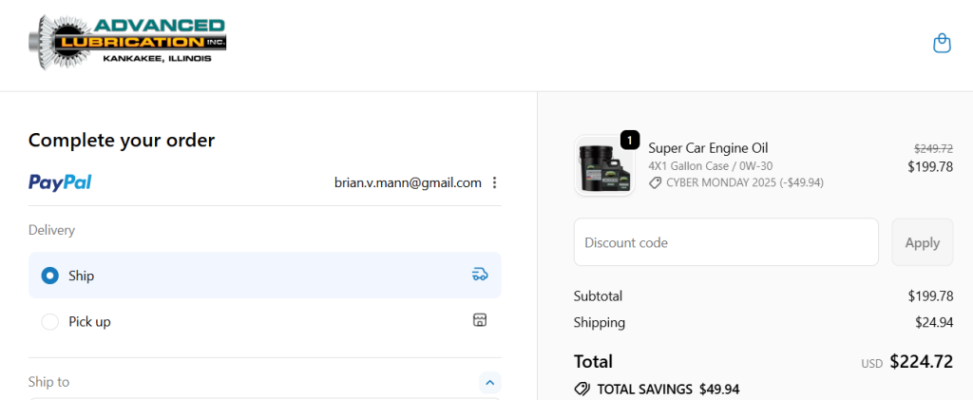
Ok guys & gals - HPL 20% Sale is on. I picked up a case of SC 0W-30 for $14 / qt including shipping. Discount is supplied automagically during checkout. I think the sale runs through Cyber Monday.

Go git it!

@Travis8352 - were you notified of the sale by having an HPL account?

1764436253758.png
 

Burla

Senior Member
Joined
Apr 28, 2012
Posts
27,745
Reaction score
58,194
Ram Year
2010 Hemi Reg Cab 4x4
Engine
Hemi
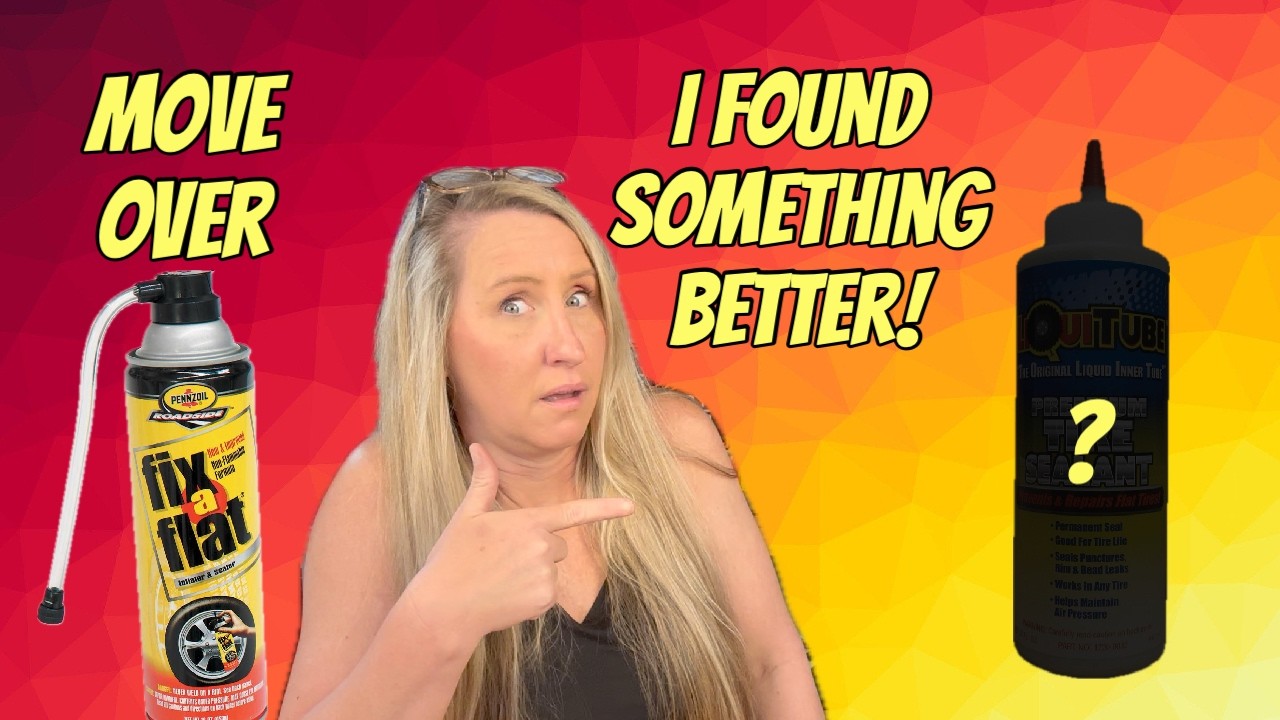
I carry plugs and compressor in the truck, but I'm thinking this product would be good for a lot of applications. Question, do you think you would actually put something like this in tire as preventative or hold it for an emergency? I would lean to the later. There is a video within the video around 2 min mark.


Hemi395

Senior Member
Joined
Mar 18, 2013
Posts
9,507
Reaction score
17,683
Location
Cape Cod MA
Ram Year
2013
Engine
5.7 Hemi
Not only will it bump up the pressure some more at idle,you'll also get more crank splash onto the cam with the higher idle rpm,both are big benefits on a hemi , it needs all the help you can give it;)
Will 750 make it go into gear harder? I def like the idea of added crank splash....
 

HEMIMANN

Senior Member
Joined
Dec 7, 2020
Posts
9,610
Reaction score
25,245
Location
Minneapolis, MN
Ram Year
2017 2500 Laramie Crew Cab
Engine
6.4L HEMI
Ok guys & gals - HPL 20% Sale is on. I picked up a case of SC 0W-30 for $14 / qt including shipping. Discount is supplied automagically during checkout. I think the sale runs through Cyber Monday.

Go git it!

@Travis8352 - were you notified of the sale by having an HPL account?

View attachment 576300

Btw, presuming HPL Super Car 0W-30 doesn't shear much, unlike other conventional VII additives in other brands, I can go back to OCI's exclusively on mileage instead of weather ambient temperatures! i.e. - I won't have to change oil as frequently, 5k interval will probably not divide evenly into a calendar year so I'll be changing at different times of year from here on.

Oh well - I'm retired so what the hell, right?
 

Curmudgeon

Senior Member
Supporting Member
Joined
Jul 22, 2017
Posts
1,595
Reaction score
4,844
Location
York, Pennsylvania
Ram Year
2014 1500 Laramie 4x4 QC, 3.21 rear, 8-speed
Engine
5.7L Hemi
Btw, presuming HPL Super Car 0W-30 doesn't shear much, unlike other conventional VII additives in other brands, I can go back to OCI's exclusively on mileage instead of weather ambient temperatures! i.e. - I won't have to change oil as frequently, 5k interval will probably not divide evenly into a calendar year so I'll be changing at different times of year from here on.

Oh well - I'm retired so what the hell, right?
Hopefully so. Winters here where I live are not that harsh but the VOA/UOA data I've seen on the HPL SC 0w-30 looks really awesome. I don't recall seeing anything on the HPL 5w-30 and it's probably just as impressive.

We can get temps very close to 0F and a couple degrees below, but not frequently.

This is mostly what our weather can be like here...

05g0to02aih41.jpg
 

HEMIMANN

Senior Member
Joined
Dec 7, 2020
Posts
9,610
Reaction score
25,245
Location
Minneapolis, MN
Ram Year
2017 2500 Laramie Crew Cab
Engine
6.4L HEMI
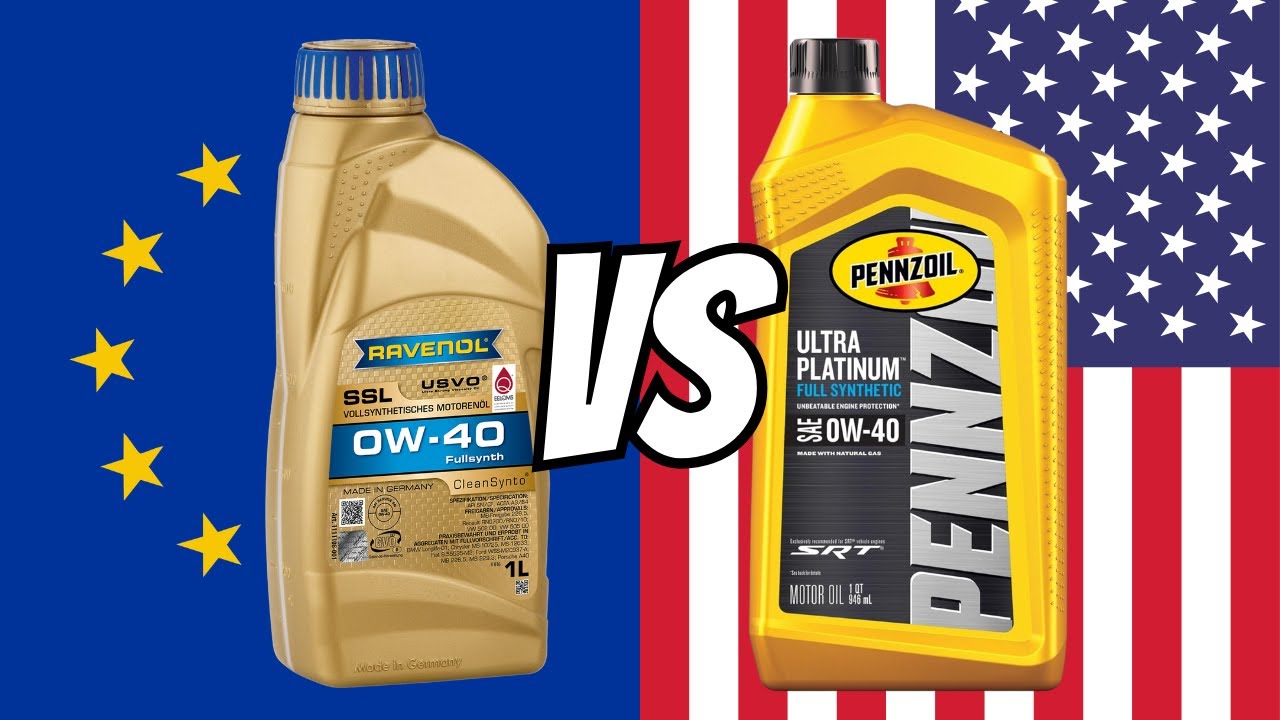
New Lake Speed Jr. Video may be of some interest - differences between U.S. and European Motor Oil Specifications.

What's the deal? Well, in the confusing new world of bizarre engine architectures, it matters. A lot. EPA has gone nuts in forcing engine makers to squeeze tenths of percentage fuel economy increases driving bizarre engine features and API attempts to respond to them.

In many cases, we have found European Motor Oil Specs are better for U.S. engines than API engine specs. Examples: lates U.S. API SP requires more miniscule fuel economy changes, the biggest being much lower oil viscosity WITHIN SAE viscosity grades. SAE 30 weight oils have gone from upper 11 cST @ 100 C to lower 10 cSt @ 100 C, almost a 20 wt! That effects engine wear rates. How much you'd have to track with UOA.

Euro Oils to ACEA specs did not cut their viscosity, in general. And they left a bunch of antiwear (SAPS) additives in. The only thing I've seen changed is they have also swapped more expensive Magnesium for Calcium detergents to reduce LSPI. Even Ram has a high compression turbo GDI engine now - the "Hurricane", and many of us own mouse mobiles with turbo GDI engines.

This is why I recently changed after years of using PUP 5W-30 (now basically a 5W-20) to Mobil 1 ESP 0W-30 (a European Spec'd Motor Oil). Trying to save our engines from EPA is a full time job these days.

So the action in motor oils these days is not the 20 year old Hemi valvetrain tick and destruction anymore. This is well known and mitigated (use Red Line or HPL Motor Oil). Current engine architecture is small displacement, turbocharged, and GDI.

Lake babbles too much history of fuels and engines for the 1st 21 minutes. Fast forward is you want to avoid all the unnecessary preamble.

 
Back
Top